 When we started this research in 2011, our aim was to raise awareness and improve understanding of cyber threats.
At the time, "cyber" risks were not even considered in the World Economic Forum's Global Risk Report, in which they were only introduced in 2015, and communicating the urgency of dealing with IT security was complex in the absence of quantitative data able to illustrate the problem and its evolution over time.
If 11 years ago, however, the situation could have seemed worrying to us, at this point it is no longer a mystery that we are in full emergency and that no one can consider themselves safe from cyber attacks.
So let's see how our classification of cyber attacks works.
Cyber Attacks Analysis: What It Is and How It Works
When we started this research in 2011, our aim was to raise awareness and improve understanding of cyber threats.
At the time, "cyber" risks were not even considered in the World Economic Forum's Global Risk Report, in which they were only introduced in 2015, and communicating the urgency of dealing with IT security was complex in the absence of quantitative data able to illustrate the problem and its evolution over time.
If 11 years ago, however, the situation could have seemed worrying to us, at this point it is no longer a mystery that we are in full emergency and that no one can consider themselves safe from cyber attacks.
So let's see how our classification of cyber attacks works.
More from Experts insights

Do we really need to copyright our own faces?
Danish proposal to copyright faces and voices to protect against AI-generated deepfakes is a start, but a proper solution lies in a combination of factors.
Read more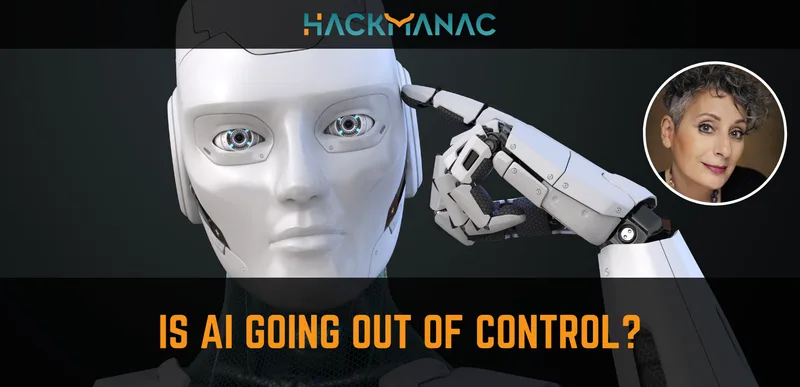
Is AI Going Out of Control?
Three AI labs saw their models breach real systems during security tests. Here's what actually happened, and what it means for cybersecurity's future.
Read more
Banning Kids from Social Media: Easier Said Than Done
Social media bans for minors are spreading fast, but enforcement is leaking on both sides. A ban is a starting condition, not a solution.
Read moreClearer decisions. Better budgeting. Fewer losses.
From "how many attacks?" to "how much damage?" — the clarity needed for sharper strategy.