Nowadays Cybersecurity is a priority for any organization, individual, or government.However,
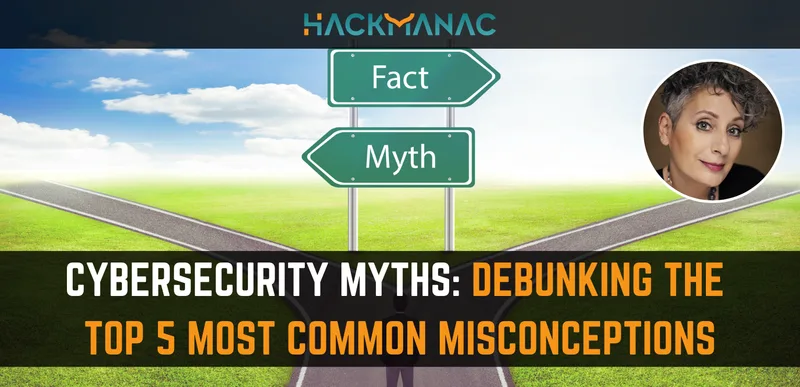
several myths and misconceptions continue to prevail, creating a wrong perception that might keep businesses and individuals exposed to cyber threats. Understanding and debunking these myths will play an important role in the development of effective security strategy and the promotion of a Cybersecurity awareness culture.In this article we examine five common Cybersecurity myths and provide insight on the truth behind them to help proactively secure the digital space.
Myth 1: Cybersecurity Is A Technology Matter
While technology is an important part of Cybersecurity, it is not the only one.
Effective Cybersecurity combines technology with people and processes. For instance, although firewalls and encryption software are critical tools, these will not protect an organization if employees fall victim to phishing attacks or if security policies are not properly enforced. Human vigilance along with strong processes, such as regular training of employees and incident response plans, are important as technological solutions.
Myth 2: Small Businesses Don’t Need to Worry About Cybersecurity
Small businesses are more likely to suffer a high rate of cyber attacks compared to larger corporations. This is largely due to the fact that small businesses usually possess limited financial and human resources, as well as expertise to effectively defend against threats. According to
Fundera,
nearly 43% of cyberattacks are directed at small businesses and many cannot recover from the operational, financial, and reputational damages caused by such breaches. It is essential for small businesses to prioritize Cybersecurity and correctly recognize and mitigate top Cyber Risks, even with reduced budgets, in order to protect their assets and customers.
Myth 3: Cybersecurity Is Too Expensive
While some advanced security measures can be expensive, the
cost of a data breach is typically much higher. A breach can have to devastating consequences, including financial losses, reputational damage, regulatory penalties and legal costs. According to
IBM, the
global average cost of a data breach reached $4.88 million in 2024. Organizations can take cost-effective steps to strengthen their security, such as implementing multi-factor authentication, keeping software updated, and educating employees about safe online best practices. Cybersecurity investments should never be considered an expense but rather as a
protection against potentially catastrophic losses.
Myth 4: Cybersecurity is only IT's responsibility
Cybersecurity is not just a responsibility of the IT department.
Threats can emerge in any department, from finance employees falling victim to email scams to marketers inadvertently spilling sensitive customer information. A
culture of Cybersecurity awareness a at all levels of an organization is crucial, including training employees to recognize potential threats, implementing clear security policies and encouraging collaboration between IT and other departments.
Myth 5: Cybersecurity Is Too Complex
While Cybersecurity involves many technical components, it doesn’t have to be overwhelming.
Several resources can help organizations to navigate this complexity: from user-friendly tools to professional consulting services and government-supported guidelines. Simplifying Cybersecurity starts with
focusing on the basics (strong passwords, secure networks, regular software updates, employee training, etc.) and
identifying the organization's top Cyber Risks. Breaking the process down into manageable steps makes building a secure environment achievable for everyone.
Conclusion
Cybersecurity cannot be anymore an option in today's digital world. By debunking common myths, both individuals and organizations can take meaningful steps to protect themselves with a collective effort that requires both awareness and proactive strategies at all levels of an organization.A safer digital future starts with making informed decisions and taking consistent action today. Stay Cyber Safe!